Introduction
The emergence of robotics and artificial intelligence already has a massive influence on the workplace and will only become even more important in the future. The potential of technology is unlimited, starting with automation of production processes to virtual assistants and self-driving cars. This article gives us a glimpse of how these developments have affected our life and the future of the working place.
Robotics and AI are transforming workplaces across all industries, from manufacturing to healthcare, creating both challenges and opportunities for businesses and employees.
Automation and Increase in efficiency
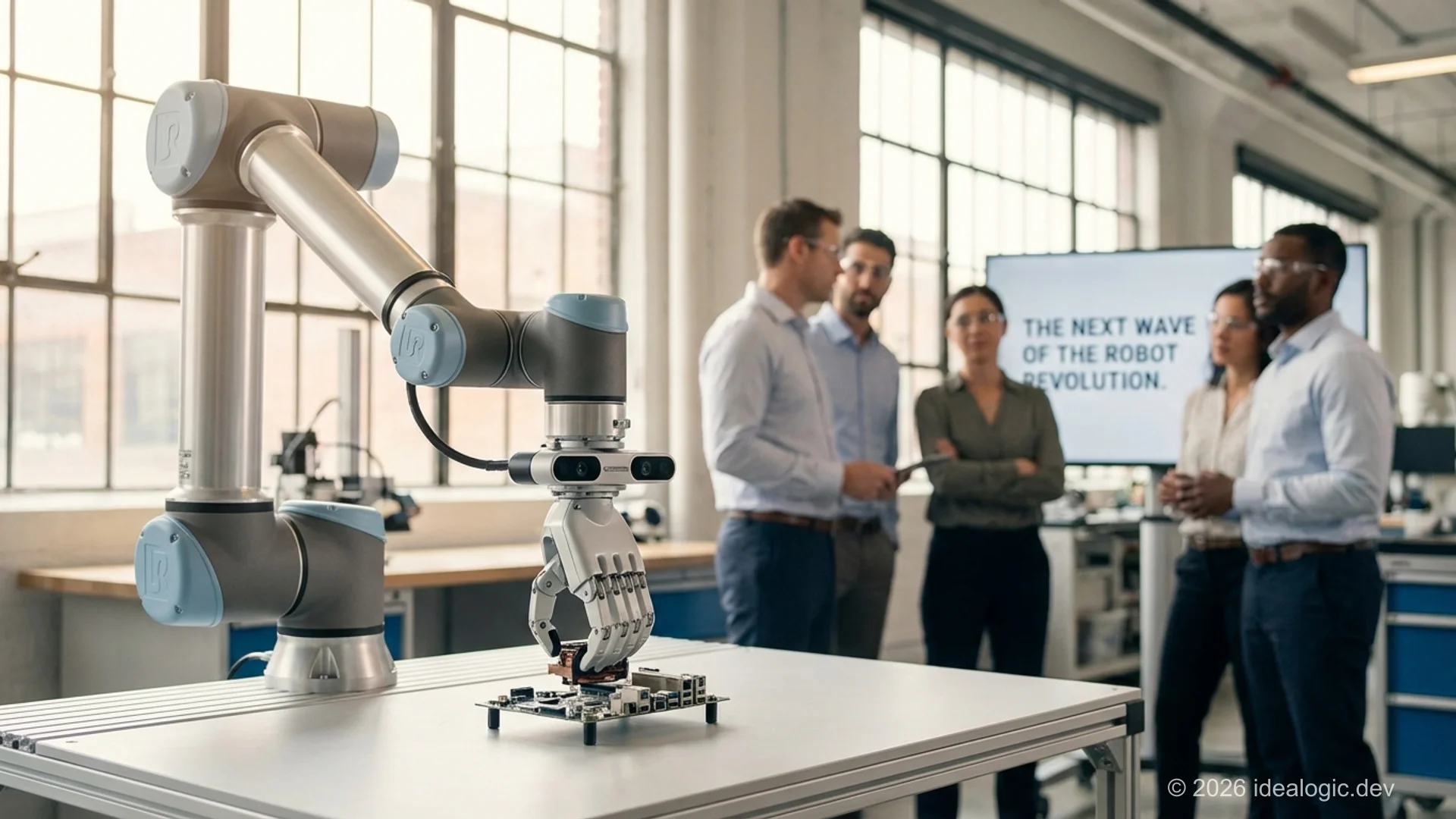
Among the most apparent uses of robotics and AI use are the automation of production processes. Robots are able to execute work at a greater rate, with increased precision and uninterrupted, resulting in increased productivity and efficiency. In the manufacturing sector, many jobs have already been substituted by robots although this has also brought about new employment in fields like programming and maintenance of robots.
Applications Across Industries
Artificial intelligence and robotics are also applied to other sectors, including retail or healthcare, more and more. Retail applications:
- Robots can be used to restock shelves
- Automated systems can receive and process orders Healthcare applications:
- Robots can help with the work of patients
- AI systems can help physicians to diagnose patients
Human-Machine Cooperation
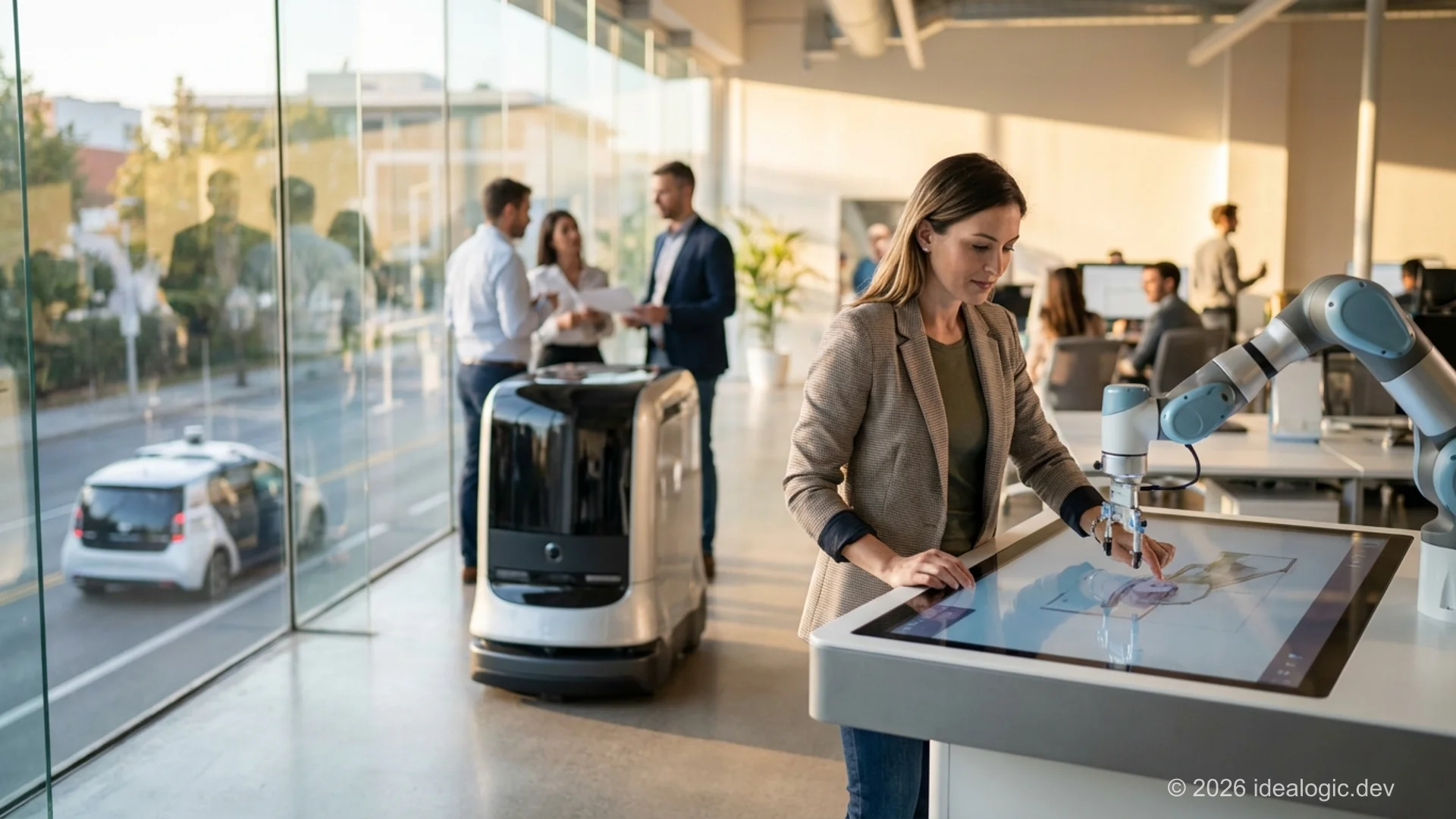
In the future co-operation of human beings and machines will gain more significance. Although machines will be able to complete some tasks, there will be other functions, which will remain the domain of human workers. Human and machines will have to fill each other in future and collaborate in accomplishing tasks.
Enabling Seamless Integration
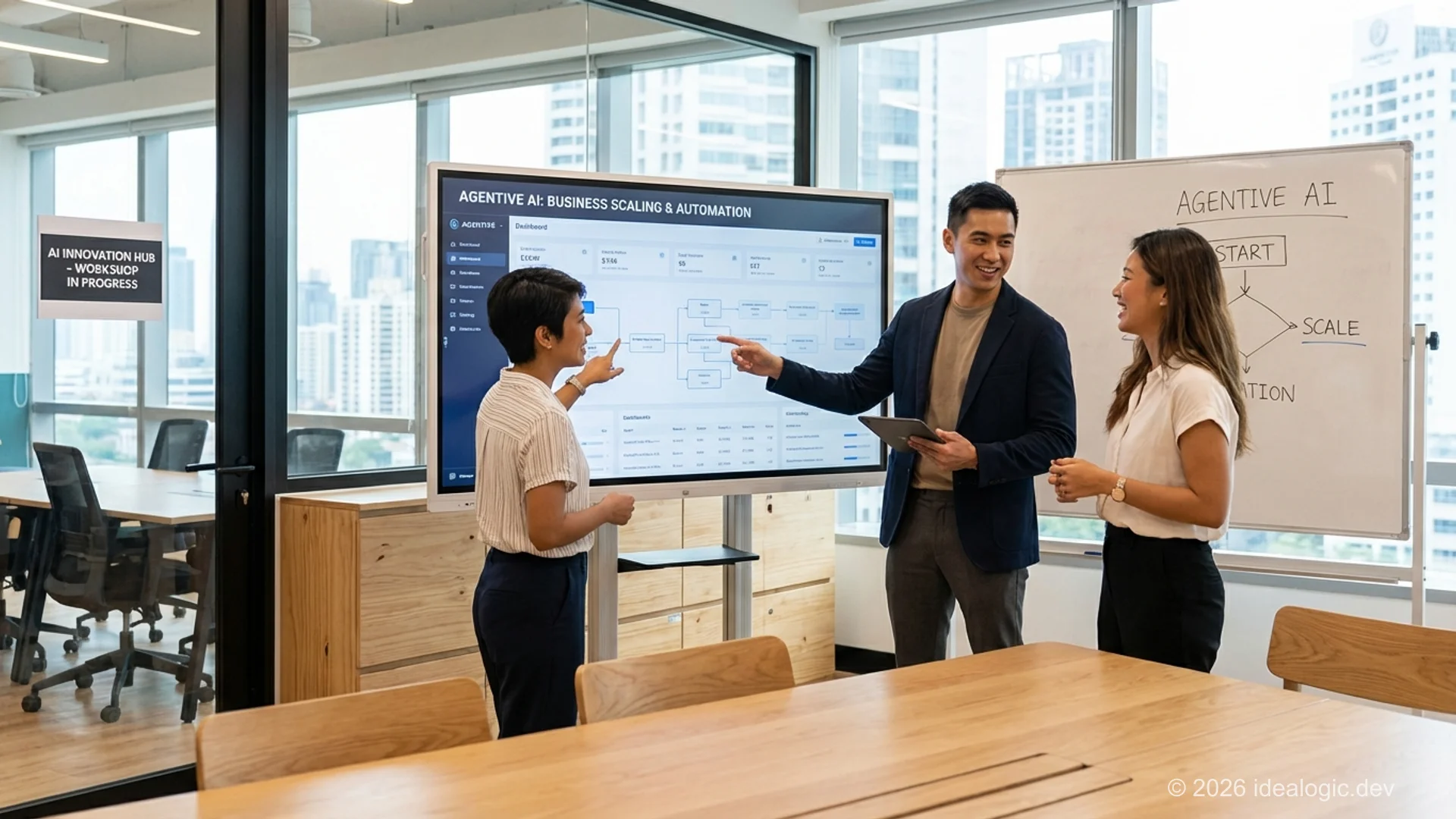
To make this possible, machines and humans have to be synchronized, and have to know one another. This collaboration is facilitated by developing interfaces between man and machines. These will enable human beings to communicate and manipulate machines. Key technologies include:
- Speech recognition
- Gesture control
- Intuitive interfaces
Unlock the Power of Human-Machine Collaboration
Discover how AI integration can transform your workflow and boost productivity.
Virtual Workplaces
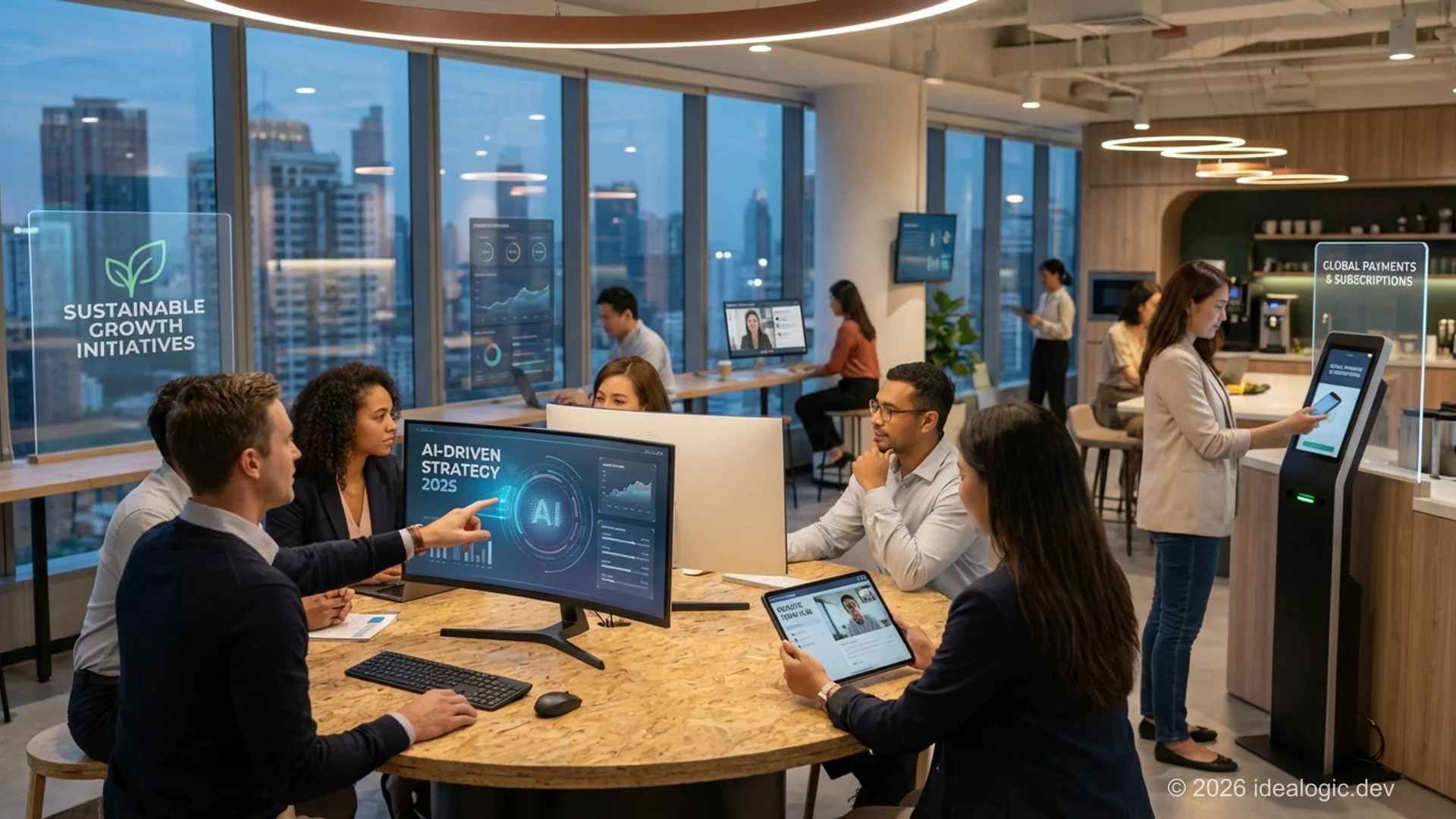
Virtual work place is another trend that will influence the future of the work place. Courtesy of digitization and growing technology, one will be able to work anywhere in the world. Meetings and cooperation will be more virtual.
Benefits of Virtual Work
There are numerous benefits of virtual work. For companies:
- Ability to tap a greater number of workers
- Not limited by geographic location
- Access to global talent pool For employees:
- More time with family
- Better work-life balance
- Flexible working arrangements
Virtual workplaces remove geographical barriers, allowing companies to access talent worldwide while giving employees greater flexibility and work-life balance.
The Future of Work with Robotics and AI
Artificial intelligence will have a profound impact on what our workplace will be like in the next several years. Despite the fact that production processes have already been automated thus making some jobs obsolete, there will still be new jobs created because of the technology like programming and repairing robots.
Challenges and Opportunities
This trend has its difficulties and opportunities to the companies and the employees. For businesses:
- Must invest in new technology
- Need to train staff to work with machines
- Adapt to the new environment For employees:
- Need to embrace new working environment
- May require re-training
- Must develop new skills
The evolution of robotics and artificial intelligence requires both companies and employees to invest in training and adaptation to remain competitive in the changing workplace landscape.
Conclusion
The evolution of robotics and artificial intelligence is problematic and has numerous opportunities. Companies have to invest in technology, and their employees should be trained on the same. The workers have to adjust to a new work environment and when in need, re-train. After all, the cooperation between machines and people will define the future of the working world and will open the future opportunities.